July 17, 2026 2 views news
Develop Five-Tool Player Skills: Your 2026 Training Guide
By BabyLoveGrowth.ai
<script type="application/ld+json">
{
"@type": "Article",
"image": {
"url": "https://csuxjmfbwmkxiegfpljm.supabase.co/storage/v1/object/public/blog-images/organization-34605/1784263065302_Teen-baseball-player-preparing-to-swing-bat-on-field.jpeg",
"@type": "ImageObject",
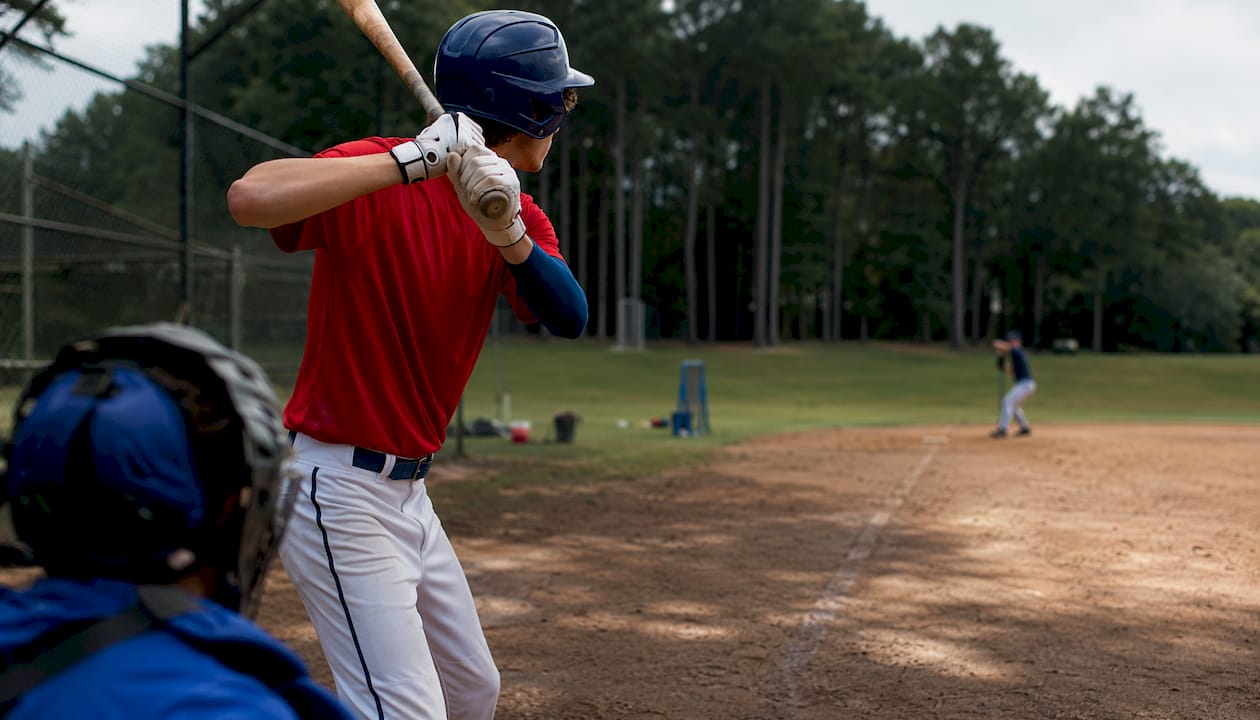
"caption": "Teen baseball player preparing to swing bat on field"
},
"author": {
"url": "https://nationalscoutingbureau.com",
"name": "Nationalscoutingbureau",
"@type": "Organization"
},
"@context": "https://schema.org",
"headline": "Develop Five-Tool Player Skills: Your 2026 Training Guide",
"publisher": {
"url": "https://nationalscoutingbureau.com",
"name": "Nationalscoutingbureau",
"@type": "Organization"
},
"inLanguage": "en-US",
"description": "Learn to develop five-tool player skills for baseball success. Achieve essential benchmarks to attract scouts and boost your game in 2026.",
"datePublished": "2026-07-17T04:46:30.943Z"
}
</script>
<h1 id="develop-five-tool-player-skills-your-2026-training-guide" tabindex="-1">Develop Five-Tool Player Skills: Your 2026 Training Guide</h1>
<p><img src="https://csuxjmfbwmkxiegfpljm.supabase.co/storage/v1/object/public/blog-images/organization-34605/1784263065302_Teen-baseball-player-preparing-to-swing-bat-on-field.jpeg" alt="Teen baseball player preparing to swing bat on field"></p>
<p>A five-tool player is defined as a baseball athlete who excels at hitting for average, hitting for power, running speed, fielding ability, and throwing arm strength. To develop five-tool player skills at a level scouts respect, you need to grade 55 or higher on the <a href="https://legendsdeck.com/blog/what-is-the-five-tool-player" rel="nofollow noopener noreferrer" target="_blank">20-80 scouting scale</a> across all five categories. That benchmark is rare. Fewer than 10 active MLB players hold those grades simultaneously, which tells you everything about the value scouts place on a true five-tool athlete. Whether you are chasing a college scholarship or an MLB draft slot, building all five tools is the most direct path to getting noticed.</p>
<h2 id="what-are-the-key-requirements-to-develop-five-tool-player-skills" tabindex="-1">What are the key requirements to develop five-tool player skills?</h2>
<p>Each tool has a specific physical and technical profile. Understanding those profiles gives you a clear target before you ever step into a training session.</p>
<p><strong>Hitting for average</strong> centers on bat-to-ball contact, plate discipline, and pitch recognition. Players who hit for average rarely chase pitches outside the zone. They work counts, recognize spin early, and put the barrel on the ball consistently.</p>
<p><img src="https://csuxjmfbwmkxiegfpljm.supabase.co/storage/v1/object/public/blog-images/organization-34605/1784263063694_African-American-baseball-player-mid-swing-during-batting-practice.jpeg" alt="African American baseball player mid-swing during batting practice"></p>
<p><strong>Hitting for power</strong> demands rotational strength, bat speed, and favorable launch angles. Exit velocity is the number scouts track most closely. A reading above 90 mph off the bat signals genuine power potential at the high school level.</p>
<p><strong>Running speed</strong> is measured by home-to-first time and 60-yard dash splits. But raw speed alone is not enough. <a href="https://battingleadoff.com/baseball-practice-plan/" rel="nofollow noopener noreferrer" target="_blank">Baserunning instincts</a> and lead reads separate a fast player from a dangerous one. Top MLB teams in baserunning rank average 2.7 more wins per season than lower-ranking teams. That win differential proves speed translates directly to the scoreboard.</p>
<p><strong>Fielding ability</strong> is evaluated through footwork, glove skills, range, and defensive instincts. Advanced metrics like Outs Above Average (OAA) and Defensive Runs Saved (DRS) quantify range and decision-making at the pro level. At the amateur level, scouts watch first-step quickness and how cleanly you handle routine plays under pressure.</p>
<p><strong>Throwing arm strength</strong> is measured by velocity and accuracy. A shortstop with a 90+ mph arm or an outfielder who can throw with accuracy from the warning track changes how opponents run the bases.</p>
<table>
<thead>
<tr>
<th>Tool</th>
<th>Key Metric</th>
<th>Amateur Benchmark</th>
</tr>
</thead>
<tbody>
<tr>
<td>Hitting for average</td>
<td>Contact rate, walk rate</td>
<td>Consistent hard contact, low strikeout rate</td>
</tr>
<tr>
<td>Hitting for power</td>
<td>Exit velocity</td>
<td>90+ mph at high school level</td>
</tr>
<tr>
<td>Running speed</td>
<td>60-yard dash</td>
<td>Sub-7.0 seconds for middle infielders</td>
</tr>
<tr>
<td>Fielding ability</td>
<td>OAA/DRS proxy, range</td>
<td>Clean footwork, strong first step</td>
</tr>
<tr>
<td>Throwing arm</td>
<td>Velocity, accuracy</td>
<td>Position-specific velocity targets</td>
</tr>
</tbody>
</table>
<p><img src="https://csuxjmfbwmkxiegfpljm.supabase.co/storage/v1/object/public/blog-images/organization-34605/1784263581466_Infographic-illustrating-baseball-five-tool-key-metrics.jpeg" alt="Infographic illustrating baseball five-tool key metrics"></p>
<h2 id="how-do-you-design-a-training-plan-to-improve-all-five-tools" tabindex="-1">How do you design a training plan to improve all five tools?</h2>
<p>A balanced weekly structure is the foundation of five-tool development. The <a href="https://baseballrampage.com/how-to-set-up-a-baseball-workout-routine" rel="nofollow noopener noreferrer" target="_blank">recommended off-season routine</a> includes 3–4 days of compound lifts, 2–3 days of sprint training, and 3–4 days of throwing and skill work. That structure builds baseball-specific strength without burning you out before the season starts.</p>
<p>Here is how to organize your weekly training across all five tools:</p>
<ol>
<li>
<p><strong>Compound strength days (3–4 per week):</strong> Squats and deadlifts build the lower-body power behind exit velocity and sprint acceleration. Rotational medicine ball throws develop the hip-to-shoulder sequence that drives bat speed. Rotator cuff band work protects the arm and keeps your throwing mechanics clean.</p>
</li>
<li>
<p><strong>Sprint and speed days (2–3 per week):</strong> Short sprint drills with a focus on first-step quickness and reaction to the pitcher’s movements improve both base stealing and infield defensive range. Do not just run straight lines. Practice reads off a live pitcher’s leg kick to build real baserunning instincts.</p>
</li>
<li>
<p><strong>Skill work days (3–4 per week):</strong> Rotate through hitting stations, defensive footwork patterns, and long toss protocols. Hitting stations should include tee work, soft toss, and live batting practice. Defensive footwork drills should mirror game situations, not just cone patterns.</p>
</li>
<li>
<p><strong>Recovery days (1–2 per week):</strong> A 4–6 week off-season rest period is critical before ramping up any training block. Year-round play increases injury risk and leads to burnout. Recovery is not optional. It is part of the program.</p>
</li>
<li>
<p><strong>Video review sessions (weekly):</strong> Video analysis of your swing path, foot positioning, and throwing mechanics helps you correct flaws faster than relying on feel alone. Watch your own film the way a scout would.</p>
</li>
</ol>
<p><strong>Pro Tip:</strong> <em>Set one measurable goal for each tool at the start of every training block. Track exit velocity, 60-yard dash time, and fielding error rate weekly. Numbers do not lie, and they keep you honest about where you actually stand.</em></p>
<h2 id="what-mental-skills-support-becoming-a-true-five-tool-player" tabindex="-1">What mental skills support becoming a true five-tool player?</h2>
<p>Physical tools without mental sharpness produce inconsistent players. <a href="https://paradigmsport.com/what-it-takes-to-become-a-complete-baseball-player-tools-skills-mindset/" rel="nofollow noopener noreferrer" target="_blank">Five-tool development</a> requires balanced growth in raw physical tools, skill execution, and ballplayer mentality. Experts are clear that tools alone do not guarantee success without a competitive mindset and coachability.</p>
<p>Mental rehearsal is one of the most underused training methods in youth baseball. <a href="https://battingleadoff.com/how-to-become-a-better-baseball-player/" rel="nofollow noopener noreferrer" target="_blank">Daily visualization</a> of game scenarios activates neural pathways similar to physical practice and compounds performance gains. Five to ten minutes of vivid mental rehearsal before practice improves decision-making and execution under pressure. Picture the count, the situation, and your exact response.</p>
<p>These mental habits separate good players from great ones:</p>
<ul>
<li><strong>Study game situations daily.</strong> Watch MLB film and identify how outfielders read fly balls, how infielders shift their feet on double-play pivots, and how hitters adjust to two-strike counts.</li>
<li><strong>Compete with coachability.</strong> Accept correction without ego. Players who resist feedback plateau faster than players who absorb it.</li>
<li><strong>Practice pattern recognition.</strong> Pitchers repeat tendencies. Hitters who track those patterns gain a real edge in at-bats.</li>
<li><strong>Balance effort and rest mentally.</strong> A long season grinds players who cannot manage their emotional energy. Staying locked in across 60 or 70 games requires deliberate mental recovery, not just physical rest.</li>
</ul>
<h2 id="what-common-mistakes-slow-down-five-tool-development" tabindex="-1">What common mistakes slow down five-tool development?</h2>
<p>The biggest mistake players make is chasing all five tools at the same time without a priority system. Spreading effort evenly across five areas sounds logical, but it produces shallow improvement across the board. The smarter move is to identify your two weakest tools and attack them first.</p>
<p>Deliberate practice focused on weaknesses and using video feedback accelerates motor skill acquisition by 23% compared to physical practice alone. That gap is significant. Grinding through extra reps without targeting specific flaws is not deliberate practice. It is just activity.</p>
<p>Watch out for these common traps:</p>
<ul>
<li><strong>Overtraining without recovery.</strong> More reps do not equal more improvement when your body is fatigued. Fatigue creates bad habits, not better ones.</li>
<li><strong>Ignoring the mental tools.</strong> Players who skip visualization and film study leave real performance gains on the table.</li>
<li><strong>Prioritizing physical tools over skill mechanics.</strong> A player with a 95 mph arm who throws wild is less valuable than one with an 85 mph arm who hits the cutoff man every time. Mechanics and accuracy outweigh raw velocity.</li>
<li><strong>Skipping <a href="https://nationalscoutingbureau.com/blog/set-measurable-baseball-improvement-goals-in-2026" target="_blank" rel="noopener">measurable goal-setting</a>.</strong> Without benchmarks, you cannot know if you are improving or just going through the motions.</li>
</ul>
<p><strong>Pro Tip:</strong> <em>Film yourself from two angles every week: one from behind the plate for hitting, one from the side for throwing. Compare clips from week one to week four. The visual difference is more motivating than any coach’s praise.</em></p>
<h2 id="key-takeaways" tabindex="-1">Key Takeaways</h2>
<p>Developing all five baseball tools requires a structured plan that integrates physical training, skill mechanics, and mental preparation in equal measure.</p>
<table>
<thead>
<tr>
<th>Point</th>
<th>Details</th>
</tr>
</thead>
<tbody>
<tr>
<td>Know the scouting standard</td>
<td>A grade of 55 or higher on the 20-80 scale across all five tools defines a true five-tool player.</td>
</tr>
<tr>
<td>Train all five tools with structure</td>
<td>Use a weekly split of compound lifts, sprint work, and skill drills to build each tool deliberately.</td>
</tr>
<tr>
<td>Prioritize your weakest tools</td>
<td>Deliberate practice targeting weaknesses accelerates skill acquisition faster than balanced volume.</td>
</tr>
<tr>
<td>Mental rehearsal compounds gains</td>
<td>Five to ten minutes of daily visualization improves decision-making and execution under pressure.</td>
</tr>
<tr>
<td>Measure everything</td>
<td>Track exit velocity, 60-yard dash time, and fielding metrics weekly to confirm real progress.</td>
</tr>
</tbody>
</table>
<h2 id="what-i-have-learned-coaching-five-tool-development" tabindex="-1">What I have learned coaching five-tool development</h2>
<p>The players who develop all five tools fastest are not always the most physically gifted. They are the most coachable. I have watched athletes with elite raw speed stall out because they refused to study baserunning reads. I have watched average-arm outfielders become <a href="https://nationalscoutingbureau.com/blog/next-level-baseball-skills-safety-and-recruiting" target="_blank" rel="noopener">reliable defensive players</a> because they committed to mechanics and long toss every single day.</p>
<p>The hardest truth in five-tool development is that plateaus are not failures. They are the body and mind consolidating gains before the next jump. Most players quit or change programs right before a breakthrough. Patience, combined with consistent measurement, is what separates the players who make it from the ones who almost did.</p>
<p>One more thing: do not wait until you feel ready to get evaluated. Get in front of scouts and coaches early. Objective feedback from a <a href="https://nationalscoutingbureau.com/blog/how-to-conduct-a-verified-baseball-skills-assessment" target="_blank" rel="noopener">verified skills assessment</a> will show you exactly where you stand against the 20-80 scale. That information is worth more than a hundred extra batting practice sessions.</p>
<blockquote>
<p><em>— Coach</em></p>
</blockquote>
<h2 id="nationalscoutingbureau-verified-scouting-for-serious-players" tabindex="-1">Nationalscoutingbureau: verified scouting for serious players</h2>
<p>Aspiring players who want to develop all five tools need more than a training plan. They need objective data showing exactly where they stand against scouting standards.</p>
<p><img src="https://csuxjmfbwmkxiegfpljm.supabase.co/storage/v1/object/public/blog-images/organization-34605/1780261783187_nationalscoutingbureau.jpg" alt="https://nationalscoutingbureau.com"></p>
<p>Nationalscoutingbureau uses FlightScope technology to deliver <a href="https://nationalscoutingbureau.com/blog/benefits-of-verified-performance-assessments-in-baseball" target="_blank" rel="noopener">verified performance metrics</a> that college coaches trust. With a track record of 600+ college placements and more than 20 MLB draft picks, Nationalscoutingbureau connects your development to real recruitment outcomes. Families also earn up to 12,000 Tuition Rewards points per year, redeemable at over 400 participating colleges. If you are serious about turning raw tools into a scholarship, <a href="https://nationalscoutingbureau.com" target="_blank" rel="noopener">start with Nationalscoutingbureau</a> and get evaluated on the same scale scouts use.</p>
<h2 id="faq" tabindex="-1">FAQ</h2>
<h3 id="what-is-the-five-tool-player-concept-in-baseball" tabindex="-1">What is the five-tool player concept in baseball?</h3>
<p>The five-tool player concept defines a complete baseball athlete who excels at hitting for average, hitting for power, running speed, fielding ability, and throwing arm strength. Scouts use the 20-80 grading scale to measure each tool, with a grade of 55 or higher across all five categories marking elite status.</p>
<h3 id="how-long-does-it-take-to-develop-five-tool-player-skills" tabindex="-1">How long does it take to develop five-tool player skills?</h3>
<p>Development timelines vary by age and starting point, but most players see measurable improvement in 12–16 weeks of structured training that targets all five tools. Consistent deliberate practice, video feedback, and recovery are the key drivers of that progress.</p>
<h3 id="what-is-the-most-important-tool-for-college-recruitment" tabindex="-1">What is the most important tool for college recruitment?</h3>
<p>No single tool guarantees recruitment, but hitting for power and running speed are the two tools scouts most consistently highlight in amateur evaluations. A combination of strong exit velocity and a sub-7.0 second 60-yard dash puts a player on most college radar screens quickly.</p>
<h3 id="how-do-i-measure-my-progress-across-all-five-tools" tabindex="-1">How do I measure my progress across all five tools?</h3>
<p>Track exit velocity with a radar gun or launch monitor, record your 60-yard dash time monthly, log fielding errors per session, and film your throwing mechanics weekly. Objective numbers give you a real picture of where each tool stands against scouting benchmarks.</p>
<h3 id="can-a-player-succeed-in-college-baseball-without-all-five-tools" tabindex="-1">Can a player succeed in college baseball without all five tools?</h3>
<p>Many elite college and professional players succeed with two or three outstanding tools supported by strong baseball IQ and coachability. True five-tool players are rare, but a player with one elite tool and no glaring weaknesses is still a legitimate recruitment target.</p>
<h2 id="recommended" tabindex="-1">Recommended</h2>
<ul>
<li><a href="https://nationalscoutingbureau.com/blog/youth-baseball-speed-and-agility-tests-2026-guide" target="_blank" rel="noopener">NSB Scouting | The Nation’s Fastest Growing Scouting Organization</a></li>
<li><a href="https://nationalscoutingbureau.com/blog/technology-tools-for-youth-athlete-assessment-in-2026" target="_blank" rel="noopener">NSB Scouting | The Nation’s Fastest Growing Scouting Organization</a></li>
<li><a href="https://nationalscoutingbureau.com/blog/build-a-player-development-tracking-system-that-works" target="_blank" rel="noopener">NSB Scouting | The Nation’s Fastest Growing Scouting Organization</a></li>
<li><a href="https://nationalscoutingbureau.com/blog/peak-performance-window-for-athletes-2026-guide" target="_blank" rel="noopener">NSB Scouting | The Nation’s Fastest Growing Scouting Organization</a></li>
</ul>