May 31, 2026 7 views news
How Athletic Participation Unlocks Tuition Benefits
By BabyLoveGrowth.ai
<h1 id="how-athletic-participation-unlocks-tuition-benefits" tabindex="-1">How Athletic Participation Unlocks Tuition Benefits</h1>
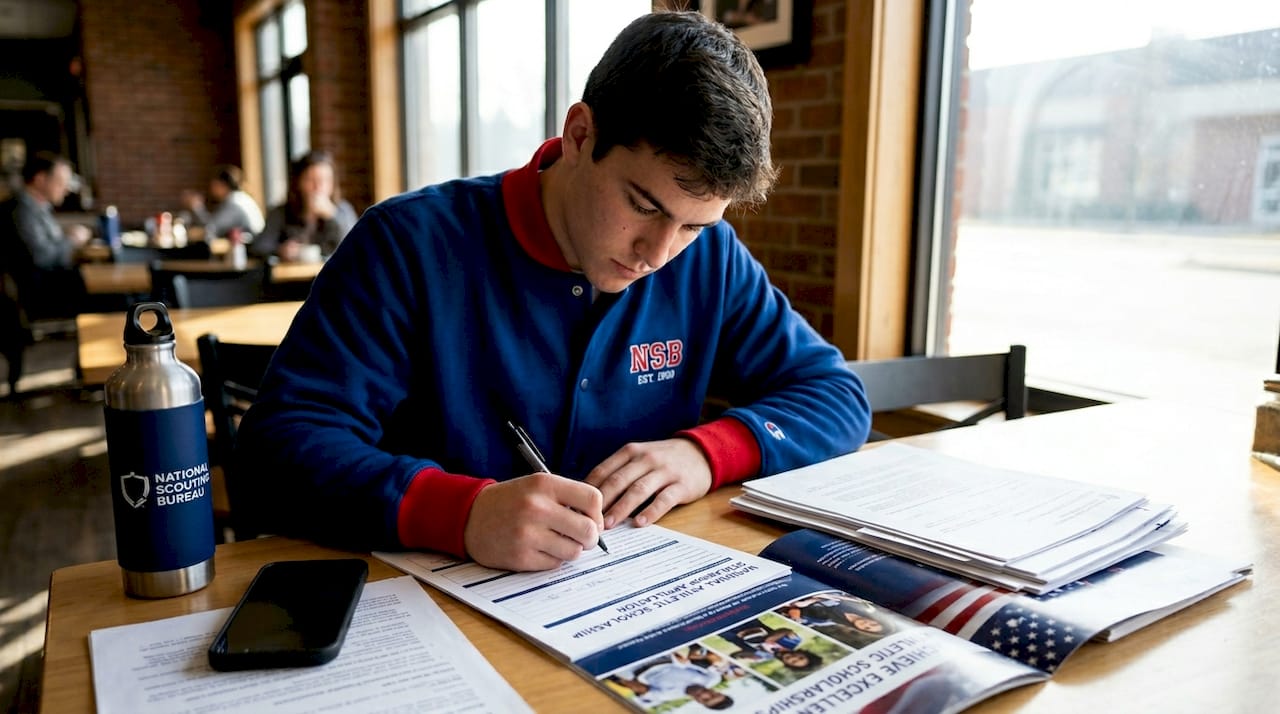
<p><img src="https://csuxjmfbwmkxiegfpljm.supabase.co/storage/v1/object/public/blog-images/organization-34605/1780261929472_High-school-athlete-working-on-scholarship-paperwork.jpeg" alt="High school athlete working on scholarship paperwork"></p>
<p>Athletic participation is a proven pathway to tuition discounts, scholarship awards, and merit aid leverage that can cut college costs by thousands of dollars per year. The formal industry term for this financial mechanism is “athletic financial aid,” which covers everything from full NCAA Division I grants to partial awards and indirect merit boosts at Division III schools. Understanding how athletic participation unlocks tuition benefits means knowing exactly which division your athlete is targeting, what the realistic odds look like, and how to stack every available dollar. This guide gives you the full picture, with data and strategy, so you can go to bat for your student-athlete with confidence.</p>
<h2 id="how-athletic-participation-unlocks-tuition-benefits-by-division" tabindex="-1">How athletic participation unlocks tuition benefits by division</h2>
<p>Athletic scholarships are not one-size-fits-all. The NCAA divides its member schools into three divisions, and each plays by completely different rules when it comes to athletic financial aid.</p>
<p><strong>Division I</strong> schools offer the most aggressive scholarship packages. In revenue sports like football and basketball, “headcount” scholarships cover full tuition, fees, room and board, and books. In other sports, “equivalency” scholarships split a pool of aid among multiple athletes, meaning most D1 athletes receive partial awards rather than full rides. <strong>Division II</strong> schools operate almost entirely on equivalency scholarships, so partial aid is the standard. <strong>Division III</strong> schools offer <a href="https://collegelens.ai/resources/scholarships/athletic-scholarships-what-d1-d2-and-d3-actually-offer" rel="nofollow noopener noreferrer" target="_blank">no athletic scholarships</a> at all. That does not mean D3 is a dead end. Academic merit aid is often a more reliable and substantial source of tuition benefits at D3 schools, where coaches can advocate for merit packages that rival what D1 partial scholarships deliver.</p>
<p><img src="https://csuxjmfbwmkxiegfpljm.supabase.co/storage/v1/object/public/blog-images/organization-34605/1780261902140_College-football-athlete-arriving-on-practice-field.jpeg" alt="College football athlete arriving on practice field"></p>
<p>Here is a quick breakdown of what each division actually offers:</p>
<table>
<thead>
<tr>
<th>Division</th>
<th>Athletic Scholarships</th>
<th>Typical Coverage</th>
<th>Best Strategy</th>
</tr>
</thead>
<tbody>
<tr>
<td>NCAA D1</td>
<td>Yes (headcount + equivalency)</td>
<td>Full or partial tuition, fees, room & board</td>
<td>Target headcount sports; stack merit aid</td>
</tr>
<tr>
<td>NCAA D2</td>
<td>Yes (equivalency only)</td>
<td>Partial tuition and fees</td>
<td>Stack academic and need-based aid</td>
</tr>
<tr>
<td>NCAA D3</td>
<td>No athletic scholarships</td>
<td>None from athletics</td>
<td>Leverage merit and need-based aid</td>
</tr>
<tr>
<td>NAIA</td>
<td>Yes</td>
<td>Partial to full, varies by school</td>
<td>Strong alternative to NCAA for many athletes</td>
</tr>
</tbody>
</table>
<p>The indirect benefits of athletic participation at D3 and partial-aid schools are real and often underestimated. Coaches at these programs frequently advocate for their recruits in the financial aid office, and admitted athletes tend to receive stronger merit packages than non-athletes with identical academic profiles. College sports <a href="https://medium.com/@jessejantzen/will-college-sports-help-save-universities-44364d3d442e" rel="nofollow noopener noreferrer" target="_blank">drive campus identity</a> and alumni engagement, which is exactly why schools at every level invest in keeping recruited athletes enrolled and financially supported.</p>
<p><img src="https://csuxjmfbwmkxiegfpljm.supabase.co/storage/v1/object/public/blog-images/organization-34605/1780261898513_Infographic-comparing-NCAA-Division-I-and-Division-III-athletic-scholarships.jpeg" alt="Infographic comparing NCAA Division I and Division III athletic scholarships"></p>
<h2 id="what-are-the-realistic-odds-of-earning-an-athletic-scholarship" tabindex="-1">What are the realistic odds of earning an athletic scholarship?</h2>
<p>Here is where the scoreboard gets humbling. <a href="https://www.durangoherald.com/articles/the-business-end-of-scholarship-money-is-a-challenge-for-many-high-school-student-athletes/" rel="nofollow noopener noreferrer" target="_blank">Only about 6%</a> of the roughly 8 million high school athletes in the United States compete at the collegiate level, and fewer than 2% earn NCAA athletic scholarships. Full-ride scholarships are held by roughly 1% of elite prospects. That means the vast majority of families banking on a full ride are working with odds that would make a Vegas oddsmaker nervous.</p>
<p>This does not mean the pursuit is pointless. It means the strategy has to be sharp. The NIL era and the transfer portal have shifted recruiting timelines earlier and made self-promotion more critical than ever. Coaches are evaluating prospects through Hudl highlight reels, MaxPreps stats pages, and direct email outreach from families, not through high school counselors. High schools play no role in securing collegiate scholarship offers. The process is driven entirely by the student-athlete’s own outreach and self-marketing.</p>
<blockquote>
<p><strong>Key stat:</strong> Fewer than 2% of high school athletes earn NCAA athletic scholarships. Full rides go to roughly 1%. The athletes who land them are not just talented. They are visible, proactive, and relentless in their outreach.</p>
</blockquote>
<p><strong>Pro Tip:</strong> <em>Start building your athlete’s digital recruiting profile on Hudl and MaxPreps no later than sophomore year. Coaches at D1 and D2 programs are making lists earlier than most families realize, and a polished profile with verified stats is the first thing they check.</em></p>
<h2 id="what-financial-gaps-remain-after-an-athletic-scholarship" tabindex="-1">What financial gaps remain after an athletic scholarship?</h2>
<p>Even when your athlete lands a scholarship, the math rarely works out cleanly. <a href="https://bold.org/scholarships/by-type/athletic/" rel="nofollow noopener noreferrer" target="_blank">Average tuition</a> for athletic scholarship seekers runs about $24,567 per year, while the average athletic aid award comes in at $12,348. That leaves a $12,219 funding gap that families cover through loans (38%), family contributions (32%), and personal savings (30%). The scholarship is a win. It is not the finish line.</p>
<p>The gap gets wider when you factor in costs that scholarships frequently do not cover. Mandatory student fees are a significant and <a href="https://honestgame.com/blog/how-to-fund-college/" rel="nofollow noopener noreferrer" target="_blank">often overlooked expense</a>, including athletics-related fees that can add thousands of dollars annually beyond published tuition. James Madison University, for example, <a href="https://investing.plus/how-mandatory-fees-quietly-inflate-college-costs/" rel="nofollow noopener noreferrer" target="_blank">collected $55.53 million</a> in athletics-related fees in 2026, covering 73% of its athletic budget. Students at that school pay a portion of that tab whether they play sports or not.</p>
<p>Here is a realistic cost breakdown for a scholarship athlete at a mid-major D1 school:</p>
<table>
<thead>
<tr>
<th>Expense Category</th>
<th>Estimated Annual Cost</th>
<th>Typically Covered by Athletic Aid?</th>
</tr>
</thead>
<tbody>
<tr>
<td>Tuition</td>
<td>$24,567</td>
<td>Partially or fully</td>
</tr>
<tr>
<td>Mandatory fees</td>
<td>$2,500 to $4,000</td>
<td>Rarely</td>
</tr>
<tr>
<td>Room and board</td>
<td>$12,000 to $15,000</td>
<td>Sometimes (headcount sports)</td>
</tr>
<tr>
<td>Books and supplies</td>
<td>$1,200</td>
<td>Sometimes</td>
</tr>
<tr>
<td>Personal expenses</td>
<td>$2,000 to $3,000</td>
<td>No</td>
</tr>
</tbody>
</table>
<p>NCAA Division I schools also maintain Student Assistance Funds (SAF), funded largely by March Madness revenue distributions, to help athletes cover unforeseen expenses. These funds exist but are not guaranteed, and families should not plan budgets around them.</p>
<p><strong>Pro Tip:</strong> <em>When your athlete receives a scholarship offer letter, request a full cost-of-attendance breakdown from the financial aid office. Compare the offer against total COA, not just tuition. The difference between those two numbers is what your family actually owes.</em></p>
<h2 id="how-can-families-maximize-tuition-benefits-through-sports" tabindex="-1">How can families maximize tuition benefits through sports?</h2>
<p>The families who get the most out of athletic participation treat it like a recruiting campaign, not a waiting game. Here are the steps that separate the athletes who land meaningful aid from those who get overlooked:</p>
<ol>
<li>
<p><strong>Build a verified digital profile early.</strong> Create accounts on Hudl, MaxPreps, and NCSA. Upload game film, stats, and academic records. Coaches search these platforms constantly, and a complete profile signals seriousness.</p>
</li>
<li>
<p><strong>Do the outreach yourself.</strong> Self-marketing drives recruiting, not high school coaches. Email college coaches directly with a one-page athletic resume, GPA, and highlight reel link. Follow up every 30 days.</p>
</li>
<li>
<p><strong>Apply for platform-based athletic scholarships.</strong> Platform-based athletic scholarships that do not require coach recruitment are a growing opportunity. Sites like <a href="http://Bold.org" rel="nofollow noopener noreferrer" target="_blank">Bold.org</a> list hundreds of awards open to any student-athlete, regardless of whether they are being recruited to a roster.</p>
</li>
<li>
<p><strong>Stack academic merit aid on top of athletic aid.</strong> Stacking academic merit scholarships with athletic awards can significantly cut out-of-pocket costs, especially for partial-aid recipients at D2 schools and merit-focused D3 programs. A 3.8 GPA athlete at a D3 school can often assemble a package that rivals a D2 partial scholarship.</p>
</li>
<li>
<p><strong>Complete the FAFSA on October 1st of junior year.</strong> Need-based aid through the federal Pell Grant and subsidized loans fills gaps that neither athletic nor merit aid covers. Many families leave this money on the table by filing late.</p>
</li>
<li>
<p><strong>Attend showcase events and club tournaments.</strong> College coaches attend USSSA, Perfect Game, and similar showcase events specifically to evaluate uncommitted prospects. One strong weekend can generate five new coaching contacts.</p>
</li>
</ol>
<p>The athletes who win the recruiting game are not always the most talented. They are the most organized, the most visible, and the most persistent. Talent gets you in the door. Strategy keeps you there.</p>
<h2 id="key-takeaways" tabindex="-1">Key takeaways</h2>
<p>Athletic participation unlocks tuition benefits most effectively when athletes combine verified performance visibility with academic strength and proactive financial aid stacking across multiple award types.</p>
<table>
<thead>
<tr>
<th>Point</th>
<th>Details</th>
</tr>
</thead>
<tbody>
<tr>
<td>Division determines aid type</td>
<td>D1 offers full and partial scholarships; D2 offers partial only; D3 offers no athletic aid but strong merit packages.</td>
</tr>
<tr>
<td>Realistic odds are narrow</td>
<td>Fewer than 2% of high school athletes earn NCAA scholarships, making self-marketing and academic performance critical.</td>
</tr>
<tr>
<td>Scholarships rarely cover everything</td>
<td>A $12,219 average funding gap remains after athletic aid, requiring loans, savings, and stacked merit awards.</td>
</tr>
<tr>
<td>Self-promotion drives recruiting</td>
<td>High schools do not secure scholarship offers. Athletes must use Hudl, MaxPreps, and direct coach outreach.</td>
</tr>
<tr>
<td>Stacking aid maximizes savings</td>
<td>Combining athletic, merit, and need-based aid is the most reliable path to cutting total college costs.</td>
</tr>
</tbody>
</table>
<h2 id="the-real-game-is-played-before-signing-day" tabindex="-1">The real game is played before signing day</h2>
<p>I have watched hundreds of families enter the recruiting process with the same assumption: if their kid is good enough, the offers will come. That belief costs families real money. The recruiting system rewards visibility and preparation, not just talent. The athletes I have seen land the best packages are the ones whose parents treated the process like a second job starting in 9th grade.</p>
<p>The NIL era has added a new layer of complexity. Coaches are now evaluating athletes not just as players but as potential brand assets for their programs. That means your athlete’s social media presence, academic record, and community reputation all factor into a coach’s calculus in ways they did not five years ago. A strong GPA is no longer just a backup plan. It is a recruiting asset.</p>
<p>The other thing families consistently underestimate is the power of the D3 and NAIA paths. I have seen athletes turn down partial D2 offers to attend D3 schools where the combined merit and need-based package was $8,000 to $10,000 more per year. The prestige of the division matters far less than the net price your family actually pays. Run the numbers on every offer before you commit.</p>
<blockquote>
<p><em>— Coach</em></p>
</blockquote>
<h2 id="how-nationalscoutingbureau-helps-athletes-get-seen-and-funded" tabindex="-1">How Nationalscoutingbureau helps athletes get seen and funded</h2>
<p><img src="https://csuxjmfbwmkxiegfpljm.supabase.co/storage/v1/object/public/blog-images/organization-34605/1780261783187_nationalscoutingbureau.jpg" alt="https://nationalscoutingbureau.com"></p>
<p>Nationalscoutingbureau combines verified scouting with a guaranteed tuition rewards system that gives your athlete a measurable edge in both recruiting visibility and college cost reduction. NSB uses FlightScope technology to generate precise performance metrics that college coaches trust, and families earn up to 12,000 Tuition Rewards points per year redeemable at over 400 participating colleges. With 600+ college placements and more than 20 MLB draft picks in its track record, NSB is built for families who are serious about turning athletic talent into real financial savings. If your athlete is ready to compete for a spot and a scholarship, <a href="https://nationalscoutingbureau.com" target="_blank" rel="noopener">start with NSB Scouting</a> and put a proven system behind their recruitment.</p>
<h2 id="faq" tabindex="-1">FAQ</h2>
<h3 id="what-is-an-athletic-scholarship-and-who-qualifies" tabindex="-1">What is an athletic scholarship and who qualifies?</h3>
<p>An athletic scholarship is financial aid awarded by a college to a student-athlete in exchange for participation on a varsity team. NCAA Division I and II schools offer them; Division III schools do not, but athletes there often receive strong academic merit packages instead.</p>
<h3 id="can-playing-sports-reduce-tuition-at-schools-without-athletic-scholarships" tabindex="-1">Can playing sports reduce tuition at schools without athletic scholarships?</h3>
<p>Yes. At Division III schools, coaches frequently advocate for recruited athletes in the financial aid office, and admitted athletes often receive stronger merit and need-based packages than non-athletes with the same academic profile.</p>
<h3 id="how-many-high-school-athletes-actually-earn-college-scholarships" tabindex="-1">How many high school athletes actually earn college scholarships?</h3>
<p>Fewer than 2% of high school athletes earn NCAA athletic scholarships, and full rides go to roughly 1% of elite prospects. The odds make proactive self-marketing and academic achievement non-negotiable.</p>
<h3 id="what-costs-does-an-athletic-scholarship-typically-not-cover" tabindex="-1">What costs does an athletic scholarship typically not cover?</h3>
<p>Most athletic scholarships do not cover mandatory student fees, personal expenses, or transportation. Families frequently underestimate these indirect costs, which can add $3,000 to $6,000 annually beyond what the scholarship covers.</p>
<h3 id="what-is-the-best-way-to-maximize-tuition-benefits-through-athletics" tabindex="-1">What is the best way to maximize tuition benefits through athletics?</h3>
<p>Stack athletic aid with academic merit scholarships and need-based federal aid. Complete the FAFSA early, build a verified recruiting profile on platforms like Hudl and MaxPreps, and apply for platform-based athletic scholarships that do not require roster recruitment.</p>
<h2 id="recommended" tabindex="-1">Recommended</h2>
<ul>
<li><a href="https://nationalscoutingbureau.com" target="_blank" rel="noopener">NSB Scouting | The Nation’s Fastest Growing Scouting Organization</a></li>
</ul>
<p><a href="https://www.babylovegrowth.ai" target="_blank" rel="noopener">Article generated by BabyLoveGrowth</a></p>