June 4, 2026 2 views news
The Role of Summer Leagues in Exposure for Baseball Recruits
By BabyLoveGrowth.ai
<script type="application/ld+json">
{
"@type": "Article",
"image": {
"url": "https://csuxjmfbwmkxiegfpljm.supabase.co/storage/v1/object/public/blog-images/organization-34605/1780540521877_High-school-player-at-bat-in-summer-baseball-league-game.jpeg",
"@type": "ImageObject",
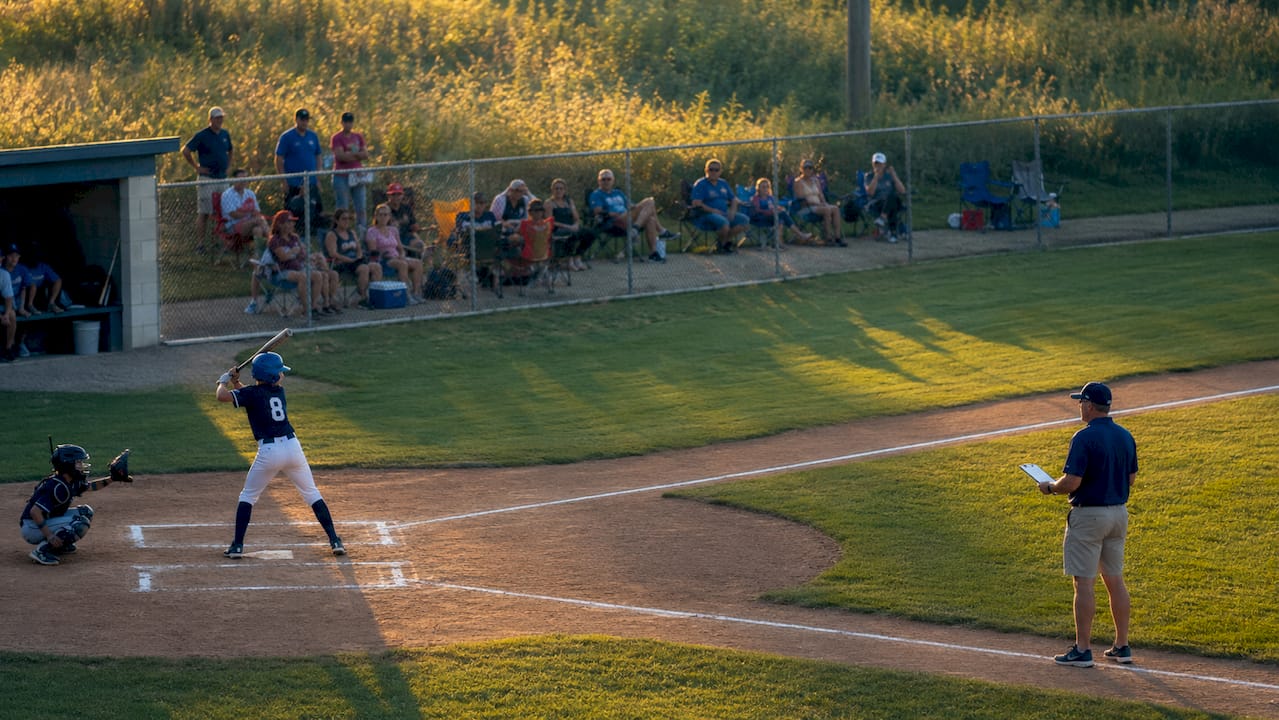
"caption": "High school player at bat in summer baseball league game"
},
"author": {
"url": "https://nationalscoutingbureau.com",
"name": "Nationalscoutingbureau",
"@type": "Organization"
},
"@context": "https://schema.org",
"headline": "The Role of Summer Leagues in Exposure for Baseball Recruits",
"publisher": {
"url": "https://nationalscoutingbureau.com",
"name": "Nationalscoutingbureau",
"@type": "Organization"
},
"inLanguage": "en-US",
"description": "Discover the crucial role of summer leagues in exposure for baseball recruits. Learn how to boost visibility and impress college coaches!",
"datePublished": "2026-06-04T02:36:35.227Z"
}
</script>
<h1 id="the-role-of-summer-leagues-in-exposure-for-baseball-recruits" tabindex="-1">The Role of Summer Leagues in Exposure for Baseball Recruits</h1>
<p><img src="https://csuxjmfbwmkxiegfpljm.supabase.co/storage/v1/object/public/blog-images/organization-34605/1780540521877_High-school-player-at-bat-in-summer-baseball-league-game.jpeg" alt="High school player at bat in summer baseball league game"></p>
<p>Summer leagues are the primary engine of college baseball recruitment visibility, giving high school players the repeated evaluation opportunities that a single spring season simply cannot deliver. The role of summer leagues in exposure goes far beyond logging innings. These leagues generate the game film, performance data, and scouting relationships that college coaches depend on when building their rosters. For families navigating the recruitment process, understanding how summer leagues work, which events carry real weight, and how to time everything around NCAA contact rules is the difference between being seen and being overlooked.</p>
<h2 id="how-summer-leagues-create-exposure-opportunities-for-high-school-baseball-players" tabindex="-1">How summer leagues create exposure opportunities for high school baseball players</h2>
<p>Summer leagues function as the sport’s most concentrated evaluation marketplace. Unlike the high school season, which is compressed and often limited in geographic reach, summer leagues place players in front of scouts, coaches, and cameras across weeks of consistent competition. That volume and visibility is what makes them so powerful.</p>
<p>The Northwoods League stands as one of the clearest examples of exposure at scale. <a href="https://www.michigannewssource.com/2026/03/a-field-of-dreams-how-the-northwoods-league-is-building-baseballs-next-generation/" rel="nofollow noopener noreferrer" target="_blank">Since 2014, over 1 million fans</a> attend annually, and in 2025, more than 2 million viewers watched via NWL+ and ESPN+ streaming. That reach means a standout performance is not just seen by the 3,000 fans in the bleachers. It is captured, streamed, and reviewed by coaches who never left their offices.</p>
<p><img src="https://csuxjmfbwmkxiegfpljm.supabase.co/storage/v1/object/public/blog-images/organization-34605/1780540521670_Crowded-Northwoods-League-game-with-players-and-fans.jpeg" alt="Crowded Northwoods League game with players and fans"></p>
<p>Regional showcases and invite-only tournaments add a different dimension. Events like the <a href="https://ihsbca.org/2026/04/08/ihsbca-futures-showcase/" rel="nofollow noopener noreferrer" target="_blank">IHSBCA Futures Showcase</a> attract 20 to 25 college coaches and several professional scouts annually, with 60 to 70 top high school seniors competing in a structured six-inning format. That coach-to-player ratio is remarkable. It means the exposure is targeted, not accidental.</p>
<p>Video scouting has also transformed what summer leagues deliver. The Cape Cod Baseball League, for example, <a href="https://blogs.fangraphs.com/instagraphs/job-posting-synergy-sports-cape-cod-video-scout-2/" rel="nofollow noopener noreferrer" target="_blank">captures multi-angle footage</a> for every game and uploads it to a scouting platform for coach evaluation. Sensor data and video analysis provide a depth of evaluation that no in-person scout can replicate alone. For high school players, being part of a league with this infrastructure means your performance lives on long after the final out.</p>
<p>Here is what drives exposure in summer leagues:</p>
<ul>
<li><strong>Audience reach:</strong> Leagues with large in-person crowds and streaming platforms multiply visibility beyond the field.</li>
<li><strong>Coach attendance:</strong> Structured showcases with confirmed coach lists give families measurable expectations.</li>
<li><strong>Video infrastructure:</strong> Multi-angle film and sensor data create lasting evaluation records.</li>
<li><strong>Game volume:</strong> Repeated competition blocks allow scouts to assess consistency, not just peak moments.</li>
</ul>
<p><strong>Pro Tip:</strong> <em>Before committing to a summer league or showcase, ask the organizer directly how many college coaches attended last year and whether game film is captured and distributed to a scouting platform. If they cannot answer both questions, the exposure value may be lower than advertised.</em></p>
<h2 id="understanding-ncaa-recruiting-calendar-and-its-impact-on-summer-league-exposure-strategy" tabindex="-1">Understanding NCAA recruiting calendar and its impact on summer league exposure strategy</h2>
<p>Timing is everything in baseball recruitment, and the NCAA calendar dictates when that timing matters most. <a href="https://getrecruited.college/ncaa-baseball-recruiting-calendar" rel="nofollow noopener noreferrer" target="_blank">NCAA Division I coaches cannot initiate recruiting contact</a> before August 1 prior to an athlete’s junior year. That single rule reshapes how families should think about summer league participation.</p>
<p><img src="https://csuxjmfbwmkxiegfpljm.supabase.co/storage/v1/object/public/blog-images/organization-34605/1780540588718_Infographic-outlining-NCAA-recruiting-calendar-steps.jpeg" alt="Infographic outlining NCAA recruiting calendar steps"></p>
<p>Here is what that means in practice. A player competing in summer leagues before junior year is not yet in a contact window. Coaches can watch, evaluate, and take notes. They cannot call, text, or email the player directly. The summer is a visibility season, not a conversation season. That distinction matters because families sometimes expect immediate outreach after a strong summer performance and are confused when it does not come.</p>
<p>The strategic sequence looks like this:</p>
<ol>
<li><strong>Compete hard in summer leagues</strong> during sophomore and early junior years to generate film and build an evaluation record.</li>
<li><strong>Confirm your film is captured and accessible</strong> on platforms that coaches actively use.</li>
<li><strong>Identify your target schools</strong> and send proactive emails to coaches, since athletes can initiate contact at any time.</li>
<li><strong>Mark August 1 of junior year</strong> as the date when coaches can finally reach out directly. Be ready to respond fast.</li>
<li><strong>Prioritize July evaluation periods</strong> for maximum coach attendance. Events like Perfect Game WWBA and PBR tournaments during these weeks generate most recruitment outcomes in the entire calendar year.</li>
</ol>
<p>The July evaluation window is where summer exposure converts into real recruiting interest. Coaches schedule their travel around these weeks specifically to see players in person. Missing these events, or attending poorly organized ones with low coach attendance, is a costly mistake that no amount of regular season games can fix.</p>
<h2 id="comparing-different-types-of-summer-leagues-and-events-for-exposure-effectiveness" tabindex="-1">Comparing different types of summer leagues and events for exposure effectiveness</h2>
<p>Not all summer leagues deliver the same return. Families need to evaluate options honestly before investing time and money.</p>
<table>
<thead>
<tr>
<th>League/event type</th>
<th>Exposure advantages</th>
<th>Typical drawbacks</th>
</tr>
</thead>
<tbody>
<tr>
<td>Cape Cod Baseball League</td>
<td>Pro-style 40-game schedule, multi-angle video, elite scout attendance</td>
<td>Highly selective; primarily college players</td>
</tr>
<tr>
<td>Northwoods League</td>
<td>1M+ annual fans, ESPN+ streaming, professional environment</td>
<td>Competitive entry; college-level players</td>
</tr>
<tr>
<td>High school showcases (e.g., IHSBCA Futures)</td>
<td>Confirmed coach attendance, structured format, measurable exposure</td>
<td>Limited spots; regional reach</td>
</tr>
<tr>
<td>Invite-only scout team tournaments</td>
<td>Targeted coach audiences, curated competition</td>
<td>Varies widely in quality and actual attendance</td>
</tr>
<tr>
<td>Local summer recreational leagues</td>
<td>High game volume, low cost</td>
<td>Minimal scout or coach presence</td>
</tr>
</tbody>
</table>
<p>The Cape Cod Baseball League represents the gold standard of summer evaluation structure. Its <a href="https://www.capecodleague.com/news/no-margin-for-drift-inside-the-cape-league-40-game-grind" rel="nofollow noopener noreferrer" target="_blank">40-game compressed season</a> forces players into a daily work rhythm that mirrors professional demands. Scouts value this because it strips away the noise of one-off performances. A player who hits .300 over 40 games in the Cape League has proven something. A player who goes 3-for-4 in a single showcase has not.</p>
<p>High school showcases occupy a different but equally important lane. The IHSBCA Futures Showcase model, with its confirmed coach list and structured game format, gives families something rare: predictable exposure with measurable expectations. Coaching staff attendance and curated event formats help families plan with real data rather than marketing promises.</p>
<p>Invite-only scout team tournaments are worth pursuing if the organization has a documented track record of coach attendance. Some programs <a href="https://canesnewengland.com/programs/tryouts-registration/" rel="nofollow noopener noreferrer" target="_blank">feature invitation-only scout teams</a> with scheduled college coach attendance built into the event structure. Others use the same language without delivering the same results. Ask for last year’s attendance list before signing up.</p>
<p><strong>Pro Tip:</strong> <em>Cross-reference any showcase’s claimed coach attendance with the coaches’ own public schedules or social media. College coaches frequently post about evaluation trips. If a showcase claims 30 coaches attended but none of your target schools’ coaches mention it, that is a red flag worth investigating.</em></p>
<h2 id="best-practices-for-maximizing-exposure-during-summer-leagues" tabindex="-1">Best practices for maximizing exposure during summer leagues</h2>
<p>Strong summer league performance means nothing if the right people never see it. Exposure is a multi-step process that combines visibility, data capture, and proactive communication.</p>
<ul>
<li><strong>Verify your film is being captured.</strong> Before the first pitch, confirm that your league or showcase uses a video platform that coaches can access. Platforms like Synergy Sports are used by college programs for exactly this purpose. If your league does not capture film, arrange your own.</li>
<li><strong>Build a consistent performance profile.</strong> Repeated professional-style competition is more valued by scouts than scattered one-off showcases. Coaches want to see the same player show up game after game, not a hot streak followed by silence.</li>
<li><strong>Communicate proactively with target coaches.</strong> Athletes can email coaches at any time. Send a brief, direct message before major events letting coaches know you will be competing. Follow up after with your stats and a link to your film.</li>
<li><strong>Select events with documented coach attendance.</strong> Use the league comparison framework above. Prioritize events where coach presence is confirmed and structured, not just promised.</li>
<li><strong>Integrate performance metrics into your recruiting profile.</strong> Velocity readings, exit velocity, sprint times, and other measurable data points strengthen your profile. Families should understand that without coordinated video sharing and coach communication, summer exposure can be lost despite a high quantity of play.</li>
</ul>
<p>The summer is your pipeline-building season. Think of it as laying track before the train of recruiting contact arrives in August of junior year. Every game you play, every film clip you generate, and every email you send to a coach is a piece of track. The players who arrive at August 1 with a full highlight reel, clean stats, and warm relationships with coaches are the ones who get recruited.</p>
<p><strong>Pro Tip:</strong> <em>Create a simple spreadsheet tracking every coach you contact, the date, the event you referenced, and whether they responded. This turns a scattered outreach effort into a structured recruiting campaign that you can review and adjust throughout the summer.</em></p>
<h2 id="key-takeaways" tabindex="-1">Key takeaways</h2>
<p>Summer league exposure works when players combine consistent performance, reliable film capture, and proactive coach communication timed around the NCAA recruiting calendar.</p>
<table>
<thead>
<tr>
<th>Point</th>
<th>Details</th>
</tr>
</thead>
<tbody>
<tr>
<td>Summer leagues drive visibility</td>
<td>Leagues like the Northwoods League and Cape Cod Baseball League deliver film, data, and scout access unavailable in the high school season.</td>
</tr>
<tr>
<td>NCAA timing shapes strategy</td>
<td>Coaches cannot initiate contact before August 1 of junior year, so summer leagues are film-building seasons first and contact seasons second.</td>
</tr>
<tr>
<td>Event quality beats quantity</td>
<td>Structured showcases with confirmed coach attendance, like the IHSBCA Futures Showcase, deliver more reliable exposure than high-volume recreational leagues.</td>
</tr>
<tr>
<td>Film capture is non-negotiable</td>
<td>Multi-angle video and sensor data, as used in the Cape Cod League, create lasting evaluation records that extend exposure beyond game day.</td>
</tr>
<tr>
<td>Communication converts exposure</td>
<td>Proactive outreach to coaches before and after events is what turns visibility into recruiting conversations once the contact window opens.</td>
</tr>
</tbody>
</table>
<h2 id="what-ive-learned-about-summer-exposure-after-years-in-the-scouting-trenches" tabindex="-1">What I’ve learned about summer exposure after years in the scouting trenches</h2>
<p>Here is the uncomfortable truth that most recruiting guides skip: more games do not equal more exposure. I have watched talented players grind through 60-game summers, log strong numbers, and still go unrecruited. Not because they lacked ability, but because nobody was watching and nobody knew to look.</p>
<p>The players who get recruited are not always the most talented players in the summer league. They are the most <em>visible</em> players. Visibility is a combination of being in the right events, having your film captured and distributed, and communicating directly with coaches who fit your profile. Talent gets you in the door. Visibility gets you the call.</p>
<p>I also push back hard on the idea that elite leagues like the Cape Cod Baseball League or the Northwoods League are the only paths to exposure. For most high school players, a well-organized regional showcase with 20 confirmed college coaches in attendance is worth more than a summer in a prestigious league where the coaches are watching college-age players, not you. Know your level, target the right events, and execute.</p>
<p>The families who navigate this best treat summer leagues like a <a href="https://topcollegecoach.com/post/college-admissions-what-to-do-in-the-summer-to-maximize-your-chances-of-admissions-by-top-college-c" rel="nofollow noopener noreferrer" target="_blank">college admissions strategy</a>. They plan months ahead, research events, confirm coach attendance, and follow up relentlessly. The families who struggle treat summer leagues like a participation trophy. Show up, play hard, and hope someone notices. Hope is not a recruiting strategy.</p>
<blockquote>
<p><em>— Coach</em></p>
</blockquote>
<h2 id="how-nationalscoutingbureau-helps-players-turn-summer-leagues-into-college-offers" tabindex="-1">How Nationalscoutingbureau helps players turn summer leagues into college offers</h2>
<p><img src="https://csuxjmfbwmkxiegfpljm.supabase.co/storage/v1/object/public/blog-images/organization-34605/1780261783187_nationalscoutingbureau.jpg" alt="https://nationalscoutingbureau.com"></p>
<p>Nationalscoutingbureau takes the guesswork out of converting summer league performance into real recruiting opportunities. NSB’s proprietary FlightScope technology captures precise performance metrics, from exit velocity to pitch velocity, that give college coaches the data they need to evaluate players with confidence. With a track record of 600+ college placements and more than 20 MLB draft picks, NSB knows what coaches want to see and how to get it in front of them. Families also benefit from up to 12,000 Tuition Rewards points per year, redeemable at over 400 participating colleges. If you are ready to make your summer league performance count, <a href="https://nationalscoutingbureau.com" target="_blank" rel="noopener">start with NSB Scouting</a> and build a recruiting profile that gets noticed.</p>
<h2 id="faq" tabindex="-1">FAQ</h2>
<h3 id="what-is-the-role-of-summer-leagues-in-exposure-for-baseball-players" tabindex="-1">What is the role of summer leagues in exposure for baseball players?</h3>
<p>Summer leagues create repeated evaluation opportunities through game film, scout attendance, and performance data that college coaches use to build their rosters. They are the primary platform for generating the visibility needed before the NCAA recruiting contact window opens.</p>
<h3 id="when-can-college-coaches-start-contacting-high-school-baseball-players" tabindex="-1">When can college coaches start contacting high school baseball players?</h3>
<p>NCAA Division I coaches cannot initiate contact before August 1 prior to a player’s junior year. Players and families can and should initiate contact with coaches before that date.</p>
<h3 id="which-summer-league-events-have-the-most-college-coach-attendance" tabindex="-1">Which summer league events have the most college coach attendance?</h3>
<p>Events like the IHSBCA Futures Showcase attract 20 to 25 college coaches in a structured format, while July evaluation periods featuring Perfect Game WWBA and PBR tournaments draw the highest density of coaches in the entire recruiting calendar.</p>
<h3 id="how-do-athletic-admissions-slots-factor-into-summer-league-recruitment" tabindex="-1">How do athletic admissions slots factor into summer league recruitment?</h3>
<p>Understanding <a href="https://topcollegecoach.com/post/how-college-athletic-admissions-slots-work-for-athletes" rel="nofollow noopener noreferrer" target="_blank">how athletic admissions slots work</a> helps families target schools where a player’s profile fits the roster need, making summer league exposure more strategic and less scattershot.</p>
<h3 id="does-playing-in-more-summer-leagues-guarantee-better-exposure" tabindex="-1">Does playing in more summer leagues guarantee better exposure?</h3>
<p>No. Without coordinated film sharing and direct coach communication, high game volume does not translate into recruiting interest. Event quality, confirmed coach attendance, and proactive outreach matter far more than the number of games played.</p>
<h2 id="recommended" tabindex="-1">Recommended</h2>
<ul>
<li><a href="https://nationalscoutingbureau.com" target="_blank" rel="noopener">NSB Scouting | The Nation’s Fastest Growing Scouting Organization</a></li>
</ul>