June 6, 2026 18 views news
Why Wearable Tech Tracks Athlete Output: 2026 Guide
By BabyLoveGrowth.ai
<script type="application/ld+json">
{
"@type": "Article",
"image": {
"url": "https://csuxjmfbwmkxiegfpljm.supabase.co/storage/v1/object/public/blog-images/organization-34605/1780744784700_Athlete-putting-on-wearable-for-training.jpeg",
"@type": "ImageObject",
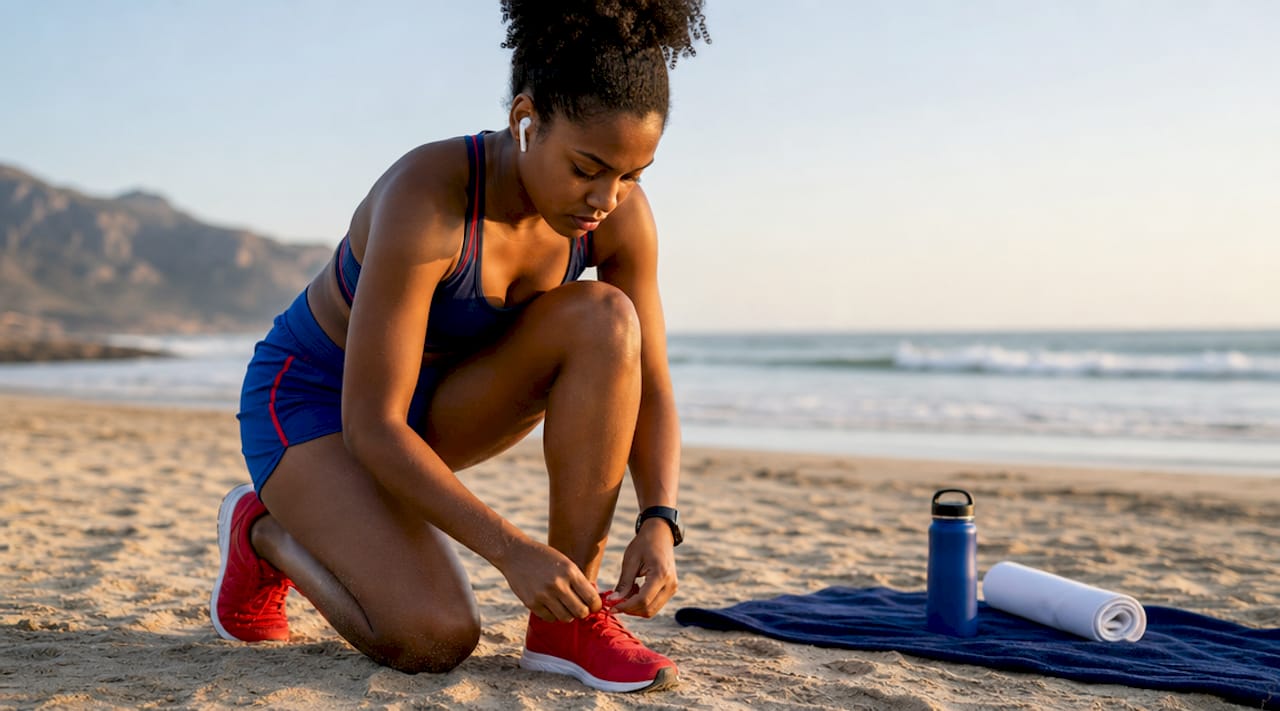
"caption": "Athlete putting on wearable for training"
},
"author": {
"url": "https://nationalscoutingbureau.com",
"name": "Nationalscoutingbureau",
"@type": "Organization"
},
"@context": "https://schema.org",
"headline": "Why Wearable Tech Tracks Athlete Output: 2026 Guide",
"publisher": {
"url": "https://nationalscoutingbureau.com",
"name": "Nationalscoutingbureau",
"@type": "Organization"
},
"inLanguage": "en-US",
"description": "Discover why wearable tech tracks athlete output and transform your training approach! Learn how to leverage data for peak performance today.",
"datePublished": "2026-06-06T11:27:58.051Z"
}
</script>
<h1 id="why-wearable-tech-tracks-athlete-output-2026-guide" tabindex="-1">Why Wearable Tech Tracks Athlete Output: 2026 Guide</h1>
<p><img src="https://csuxjmfbwmkxiegfpljm.supabase.co/storage/v1/object/public/blog-images/organization-34605/1780744784700_Athlete-putting-on-wearable-for-training.jpeg" alt="Athlete putting on wearable for training"></p>
<p>Wearable technology tracks athlete output by measuring both the physical work an athlete performs and the physiological cost that work places on the body. These two layers, known in sports science as external load and internal load, give coaches and athletes a complete picture of training stress that subjective perception alone cannot deliver. Devices using GPS, inertial measurement units (IMUs), and heart rate sensors now sit at the center of serious performance programs at every level, from professional franchises to high school diamonds. Understanding why wearable tech tracks athlete output, and what it does with that data, is the difference between training harder and training smarter.</p>
<h2 id="why-wearable-tech-tracks-athlete-output-the-core-framework" tabindex="-1">Why wearable tech tracks athlete output: the core framework</h2>
<p><a href="https://apcz.umk.pl/QS/article/view/70197" rel="nofollow noopener noreferrer" target="_blank">Wearable sensors track both external and internal load</a> to measure athlete output accurately, and that dual-layer framework is the foundation of every serious monitoring program. External load captures what the body <em>does</em>: distance covered, top speed, acceleration counts, and mechanical power output. Internal load captures what the body <em>feels</em>: heart rate, heart rate variability (HRV), and perceived exertion. Two athletes can run the same distance at the same pace and register completely different internal strain, which is exactly why tracking both layers matters.</p>
<p>External output metrics can look identical while internal strain differs significantly, and coaches who ignore that gap are flying blind. A shortstop logging 6,000 meters of total distance in a doubleheader may show the same GPS number as a teammate, but if one player’s heart rate spent 40% of that time in a high-intensity zone and the other spent 15%, their recovery needs are worlds apart. Serious programs track both separately to capture true workload.</p>
<p>The industry term for this practice is <em>training load management</em>, and it is the recognized framework behind why wearable tech tracks athlete output at every competitive level. The goal is not to collect numbers. The goal is to connect those numbers to smarter programming, better recovery decisions, and fewer injuries.</p>
<h2 id="what-metrics-do-wearables-actually-measure" tabindex="-1">What metrics do wearables actually measure?</h2>
<p>The metrics fall cleanly into two categories, and knowing the difference helps you use your device with purpose rather than just staring at a dashboard.</p>
<p><strong>External load metrics</strong> (what your body produces):</p>
<ul>
<li>Total distance and sprint distance (GPS)</li>
<li>Maximum velocity and acceleration/deceleration counts (GPS + IMU)</li>
<li>PlayerLoad, a composite measure of multi-directional movement stress</li>
<li>Mechanical power output (force platforms and IMU fusion)</li>
</ul>
<p><strong>Internal load metrics</strong> (how your body responds):</p>
<ul>
<li>Heart rate and heart rate zones</li>
<li>HRV, which reflects autonomic nervous system recovery status</li>
<li>Session RPE (rate of perceived exertion), a validated self-report measure</li>
<li>Blood oxygen saturation in some advanced devices</li>
</ul>
<p><a href="https://www.nature.com/articles/s41598-026-52700-7" rel="nofollow noopener noreferrer" target="_blank">Heart rate and HRV are critical internal load metrics</a>, with wrist-worn photoplethysmography devices showing reliable HRV measurement under controlled conditions compared to ECG. That reliability matters because HRV is one of the best daily readiness signals available to athletes without a lab.</p>
<p><strong>Pro Tip:</strong> <em>Don’t chase a single number. Use your HRV trend over seven to ten days as your readiness signal, not today’s reading in isolation. One low HRV morning after poor sleep tells you almost nothing. A five-day downward trend tells you everything.</em></p>
<p><img src="https://csuxjmfbwmkxiegfpljm.supabase.co/storage/v1/object/public/blog-images/organization-34605/1780745276004_Infographic-comparing-internal-and-external-wearable-metrics.jpeg" alt="Infographic comparing internal and external wearable metrics"></p>
<table>
<thead>
<tr>
<th>Metric category</th>
<th>Example metrics</th>
<th>Primary device</th>
</tr>
</thead>
<tbody>
<tr>
<td>External load</td>
<td>Distance, speed, acceleration count</td>
<td>GPS unit, IMU</td>
</tr>
<tr>
<td>Internal load</td>
<td>Heart rate, HRV, session RPE</td>
<td>Heart rate monitor, PPG sensor</td>
</tr>
<tr>
<td>Composite</td>
<td>PlayerLoad, training monotony</td>
<td>Multi-sensor wearable</td>
</tr>
</tbody>
</table>
<h2 id="how-do-sensors-and-ai-turn-raw-data-into-training-insights" tabindex="-1">How do sensors and AI turn raw data into training insights?</h2>
<p>Raw sensor data is noise. A GPS chip pinging your position 10 times per second generates thousands of data points per session, and none of them mean anything until processing turns them into metrics you can act on. This is where sensor fusion and artificial intelligence earn their place in athlete performance tracking.</p>
<p><img src="https://csuxjmfbwmkxiegfpljm.supabase.co/storage/v1/object/public/blog-images/organization-34605/1780744751733_Scientist-examining-wearable-sensors-in-lab.jpeg" alt="Scientist examining wearable sensors in lab"></p>
<p>Sensor fusion combines signals from GPS, IMUs, and heart rate monitors into unified metrics. An IMU alone cannot tell you whether a high-acceleration event was a sprint start or a stumble. GPS alone cannot capture the rotational load of a pitcher’s delivery. Fused together, these signals produce metrics that reflect real athletic output with far greater accuracy than any single sensor.</p>
<p><a href="https://www.frontiersin.org/journals/artificial-intelligence/articles/10.3389/frai.2026.1838507/full" rel="nofollow noopener noreferrer" target="_blank">AI integrated with wearable tech converts raw sensor data into training metrics</a>, but it operates as decision support, not autonomous coaching. Fatigue prediction models, workload regulation algorithms, and injury risk flags all require validated data and a human expert to interpret context. A machine learning model might flag an athlete as high-risk based on a spike in acute-to-chronic workload ratio, but a coach still needs to know that athlete just traveled across three time zones.</p>
<p>AI and wearables act best as decision support tools with human-in-the-loop, and that framing should guide how you approach every alert your device generates. The technology surfaces patterns. You supply the judgment.</p>
<p><strong>Pro Tip:</strong> <em>When your wearable flags a high-risk training day, cross-reference it with sleep quality and nutrition before adjusting your program. Data without context produces bad decisions just as reliably as no data at all.</em></p>
<h2 id="how-does-tracking-athlete-output-improve-performance-and-prevent-injury" tabindex="-1">How does tracking athlete output improve performance and prevent injury?</h2>
<p>This is where the numbers get exciting. A <a href="https://link.springer.com/article/10.1007/s42452-026-08620-2" rel="nofollow noopener noreferrer" target="_blank">12-week study with university track athletes</a> found that a multi-modal wearable system improved running economy by 6.5% and reduced injuries by 45%. Those are not marginal gains. A 6.5% improvement in running economy at the college level is the kind of edge that separates conference finalists from champions.</p>
<p>The mechanism behind injury reduction is equally compelling. Wearables reduce injury risk by monitoring cumulative load and sudden spikes in training intensity, two factors consistently linked to soft tissue injuries in the research literature. When an athlete’s weekly load jumps more than 10 to 15% above their chronic average, injury probability rises sharply. Wearables catch that spike in real time, before the hamstring does.</p>
<p>Here is how tracking translates to concrete training benefits:</p>
<ol>
<li><strong>Load regulation:</strong> Coaches can compare planned versus actual training stress and adjust future sessions before fatigue compounds.</li>
<li><strong>Recovery optimization:</strong> HRV trends guide rest day decisions with physiological evidence rather than guesswork.</li>
<li><strong>Movement quality feedback:</strong> Acceleration symmetry and ground contact time data reveal compensatory patterns that precede injury.</li>
<li><strong>Performance benchmarking:</strong> Repeated sprint ability scores and velocity at lactate threshold give athletes objective progress markers.</li>
</ol>
<blockquote>
<p>“The value of wearable output metrics lies in linking measurements to practical workload evaluation, programming, and injury-prevention decisions while considering athlete context.” — Wearable Technologies in Team Sports systematic review</p>
</blockquote>
<p>Monitoring injury risk requires a follow-up response plan: adjust training volume or intensity, then reassess. The flag alone does nothing. The adjustment is what prevents the injury.</p>
<h2 id="common-challenges-when-using-wearables-for-output-tracking" tabindex="-1">Common challenges when using wearables for output tracking</h2>
<p>Wearables are powerful, but they are not infallible. Understanding where they fall short makes you a sharper user of the data they produce.</p>
<p><a href="https://journals.plos.org/digitalhealth/article?id=10.1371%2Fjournal.pdig.0001373" rel="nofollow noopener noreferrer" target="_blank">Wearable data contain noise and bias</a>, and best practice means interpreting consistent trends over single-value readings and triangulating multiple metrics before drawing conclusions. A heart rate spike during a high-intensity interval could reflect genuine cardiovascular stress, a poor sensor contact, or an electromagnetic interference event. Treating it as gospel without context is a mistake.</p>
<p>Key challenges to watch for:</p>
<ul>
<li><strong>Inter-device variability:</strong> GPS accuracy differs between a 10 Hz unit and a 1 Hz unit. Mixing device types across a team produces incomparable data.</li>
<li><strong>Wrist-based optical sensors:</strong> Photoplethysmography (PPG) heart rate readings lose accuracy at very high intensities, precisely when accuracy matters most.</li>
<li><strong>Metric overload:</strong> Platforms like Catapult, Polar Team Pro, and Garmin Connect generate dozens of metrics per session. Tracking too many simultaneously dilutes focus and leads to analysis paralysis.</li>
<li><strong>Treating numbers as goals:</strong> An athlete who chases a target HRV score or a specific PlayerLoad number is optimizing for the metric, not the performance outcome.</li>
</ul>
<p><strong>Pro Tip:</strong> <em>Pick three to five metrics that directly connect to your sport’s demands and track those consistently for eight to twelve weeks before adding more. Depth beats breadth every time when you are building a performance picture.</em></p>
<p><a href="https://health.clevelandclinic.org/fitness-tracker" rel="nofollow noopener noreferrer" target="_blank">Fitness trackers guide effort understanding and progress recognition</a> beyond what subjective perception can deliver, but that guidance only holds when you apply the data to consistent training decisions rather than treating metrics as trophies.</p>
<h2 id="what-does-tracking-athlete-output-look-like-in-real-life" tabindex="-1">What does tracking athlete output look like in real life?</h2>
<p>Theory lands differently when you see it in action. Here is what wearable output tracking looks like when it is working at its best.</p>
<p>In professional basketball, <a href="https://www.frontiersin.org/journals/psychology/articles/10.3389/fpsyg.2026.1768705/full" rel="nofollow noopener noreferrer" target="_blank">actual external load sometimes differs from planned load</a> due to complex in-game factors, with studies reporting lower accumulated PlayerLoad than planned. That gap between intent and execution is exactly what wearable monitoring exposes, and closing it is where performance gains live. Teams using real-time load dashboards can adjust practice intensity the next day based on what actually happened, not what the script said.</p>
<p>At the youth and high school level, <a href="https://nationalscoutingbureau.com/blog/technology-tools-for-youth-athlete-assessment-in-2026" target="_blank" rel="noopener">technology tools for youth athlete assessment</a> now include wearable-based evaluations that give coaches objective data on developing athletes who may not yet have the body awareness to self-report accurately. A 16-year-old pitcher who says “I feel fine” after 90 pitches may show a very different story in their deceleration mechanics and heart rate recovery curve.</p>
<p>Digital reporting adds another dimension. <a href="https://nationalscoutingbureau.com/blog/how-to-share-performance-reports-digitally-for-recruitment" target="_blank" rel="noopener">Sharing performance reports digitally for recruitment</a> allows athletes to present verified, data-backed performance profiles to college coaches rather than relying solely on highlight reels. Coaches at the Division I level increasingly expect quantitative evidence alongside the eye test.</p>
<table>
<thead>
<tr>
<th>Use case</th>
<th>Wearable metric applied</th>
<th>Outcome</th>
</tr>
</thead>
<tbody>
<tr>
<td>University track program</td>
<td>Running economy, HRV trend</td>
<td>6.5% economy gain, 45% injury reduction</td>
</tr>
<tr>
<td>Professional basketball</td>
<td>PlayerLoad vs. planned load</td>
<td>Adjusted next-day practice intensity</td>
</tr>
<tr>
<td>Youth baseball assessment</td>
<td>Acceleration symmetry, sprint velocity</td>
<td>Objective recruitment profile data</td>
</tr>
</tbody>
</table>
<h2 id="key-takeaways" tabindex="-1">Key takeaways</h2>
<p>Wearable tech tracks athlete output by combining external load and internal load data, and the performance gains only materialize when that data drives consistent, expert-guided training decisions.</p>
<table>
<thead>
<tr>
<th>Point</th>
<th>Details</th>
</tr>
</thead>
<tbody>
<tr>
<td>Dual-layer tracking</td>
<td>Measure both external load and internal load to capture true athlete workload.</td>
</tr>
<tr>
<td>AI as decision support</td>
<td>Use AI-generated alerts as flags, not final answers. Human interpretation is non-negotiable.</td>
</tr>
<tr>
<td>Trend over single readings</td>
<td>Track metrics across seven to ten days before adjusting training programs.</td>
</tr>
<tr>
<td>Injury prevention requires action</td>
<td>A risk flag only prevents injury when paired with an immediate training adjustment.</td>
</tr>
<tr>
<td>Data quality drives outcomes</td>
<td>Device accuracy and consistent use determine whether wearable insights are reliable.</td>
</tr>
</tbody>
</table>
<h2 id="the-numbers-dont-lie-but-they-dont-coach-either" tabindex="-1">The numbers don’t lie, but they don’t coach either</h2>
<p>Here is something I have seen play out repeatedly: an athlete gets a wearable, spends the first two weeks obsessing over every metric, and then either burns out from overanalyzing or ignores the device entirely after a few confusing readings. Neither outcome serves the athlete.</p>
<p>The real power of tracking sports performance with devices is not the data itself. It is the habit of connecting data to decisions. When you see your HRV drop for four consecutive days and you choose to replace a high-intensity session with active recovery, that is the wearable working. When you see your sprint velocity plateau for three weeks and you use that signal to audit your sleep and nutrition, that is the wearable working. The device is a mirror. What you do when you look into it is entirely up to you.</p>
<p>I also push back hard on the idea that wearables are only for elite athletes. A high school outfielder with a $150 GPS vest and a free analytics account has access to the same load management principles that professional organizations pay millions to implement. The gap is not technology anymore. The gap is education and consistency.</p>
<p>The importance of monitoring athlete output is not about having the fanciest device. It is about building a feedback loop between effort and adaptation. That loop, maintained over months and seasons, is what separates athletes who peak once from athletes who keep getting better.</p>
<blockquote>
<p><em>— Coach</em></p>
</blockquote>
<h2 id="how-nationalscoutingbureau-helps-athletes-use-performance-data" tabindex="-1">How Nationalscoutingbureau helps athletes use performance data</h2>
<p>Nationalscoutingbureau combines verified athlete assessment with the kind of performance data that college coaches actually want to see. NSB’s proprietary system, powered by FlightScope technology, delivers precise output metrics that go far beyond a highlight reel.</p>
<p><img src="https://csuxjmfbwmkxiegfpljm.supabase.co/storage/v1/object/public/blog-images/organization-34605/1780261783187_nationalscoutingbureau.jpg" alt="https://nationalscoutingbureau.com"></p>
<p>For families navigating the recruitment process, NSB translates raw performance numbers into a verified athlete profile that stands out in a crowded recruiting pool. With 600+ college placements and more than 20 MLB draft picks on record, NSB knows exactly what data moves the needle with coaches. Families also earn up to 12,000 Tuition Rewards points per year, redeemable at over 400 participating colleges. If you are serious about <a href="https://nationalscoutingbureau.com" target="_blank" rel="noopener">athlete development and scouting</a>, NSB gives you the tools to be seen, assessed, and recruited with confidence.</p>
<h2 id="faq" tabindex="-1">FAQ</h2>
<h3 id="what-does-wearable-tech-actually-measure-in-athletes" tabindex="-1">What does wearable tech actually measure in athletes?</h3>
<p>Wearable tech measures external load metrics like distance, speed, and acceleration alongside internal load metrics like heart rate and HRV. Together, these signals give a complete picture of training stress and physiological response.</p>
<h3 id="how-does-tracking-athlete-output-prevent-injuries" tabindex="-1">How does tracking athlete output prevent injuries?</h3>
<p>Wearables monitor cumulative training load and flag sudden intensity spikes, both of which are primary drivers of soft tissue injury. A 2026 systematic review confirms that effective injury prevention requires pairing those flags with immediate training adjustments.</p>
<h3 id="are-wearables-accurate-enough-to-trust-for-training-decisions" tabindex="-1">Are wearables accurate enough to trust for training decisions?</h3>
<p>Accuracy varies by device type and intensity level. Wrist-based optical sensors lose reliability at very high intensities, while chest-strap heart rate monitors and 10 Hz GPS units perform more consistently. Always interpret trends over multiple sessions rather than reacting to single readings.</p>
<h3 id="can-youth-athletes-benefit-from-wearable-output-tracking" tabindex="-1">Can youth athletes benefit from wearable output tracking?</h3>
<p>Yes. Youth athletes benefit from objective load data precisely because they often lack the body awareness to self-report fatigue accurately. Wearable-based assessments provide coaches with movement quality and intensity data that subjective feedback misses entirely.</p>
<h3 id="what-is-the-difference-between-external-and-internal-training-load" tabindex="-1">What is the difference between external and internal training load?</h3>
<p>External load is the physical work performed, measured in distance, speed, and mechanical output. Internal load is the physiological cost of that work, measured through heart rate, HRV, and perceived exertion. Tracking both is the standard in elite sports science programs.</p>
<h2 id="recommended" tabindex="-1">Recommended</h2>
<ul>
<li><a href="https://nationalscoutingbureau.com/blog/technology-tools-for-youth-athlete-assessment-in-2026" target="_blank" rel="noopener">NSB Scouting | The Nation’s Fastest Growing Scouting Organization</a></li>
<li><a href="https://nationalscoutingbureau.com" target="_blank" rel="noopener">NSB Scouting | The Nation’s Fastest Growing Scouting Organization</a></li>
<li><a href="https://nationalscoutingbureau.com/blog/how-to-share-performance-reports-digitally-for-recruitment" target="_blank" rel="noopener">NSB Scouting | The Nation’s Fastest Growing Scouting Organization</a></li>
<li><a href="https://nationalscoutingbureau.com/blog/what-is-verified-player-assessment-for-student-athletes" target="_blank" rel="noopener">NSB Scouting | The Nation’s Fastest Growing Scouting Organization</a></li>
</ul>